







From AI documentaries to museum exhibitions, these are the signals shaping how I think about design, authorship, and the future of creative work.
The design industry feels like it’s shifting quickly, but not always clearly.
Instead of trying to predict everything, I’ve been paying attention to what actually feels meaningful across culture, technology, and craft.
Here are a few things currently shaping how I think about design, creativity, and the role of the modern designer:
- AI is accelerating faster than the industry conversation
I recently watched The AI Doc: Or How I Became an Apocaloptimist in theaters. It presents AI as powerful, inevitable, and creatively expansive.
But what stood out to me is the gap between the narrative and reality. Most designers are not working in fully automated, AI-first workflows. Instead, we’re navigating partial adoption, unclear standards, and increasing pressure to produce more, faster.
The question is not whether AI will be used. It already is.
The question is how intentionally we use it.
Explore the documentary:
https://www.focusfeatures.com/the-ai-doc-or-how-i-became-an-apocaloptimist
- Craft still communicates something technology cannot
I also spent time at the Metropolitan Museum of Art viewing the Raphael exhibition.
What becomes immediately clear when standing in front of historical work is the presence of time. Not just skill, but patience, repetition, and devotion.
That kind of authorship creates a different emotional response than speed-driven production.
Explore the exhibition:
https://www.metmuseum.org
- Simplicity is not minimalism. It is discipline
Revisiting Shaker design principles has been another anchor point.
The Shakers created objects that were functional, efficient, and visually restrained. But more importantly, they embedded belief systems into their work.
They contributed to everyday tools we still use today, including:
• Flat brooms
• Clothespins
• Ladder-back chairs
• Peg rail systems
Their work reflects a core principle that feels increasingly relevant:
Design is not decoration. It is intention made visible.
- Designers are moving from execution to authorship
The role of the designer is changing.
We are no longer just executing assets or following brand systems. We are increasingly responsible for shaping:
• How products are experienced
• How brands communicate meaning
• How technology integrates into everyday life
This requires more than taste. It requires perspective.
- Human-made work is becoming a differentiator
As generative tools become more accessible, the value of human-made work is shifting.
Not necessarily because it is more efficient, but because it carries authorship, imperfection, and point of view.
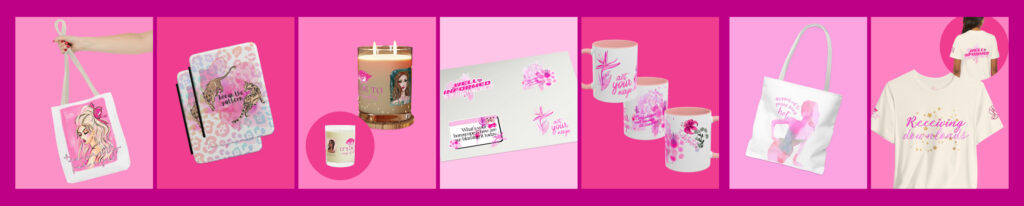
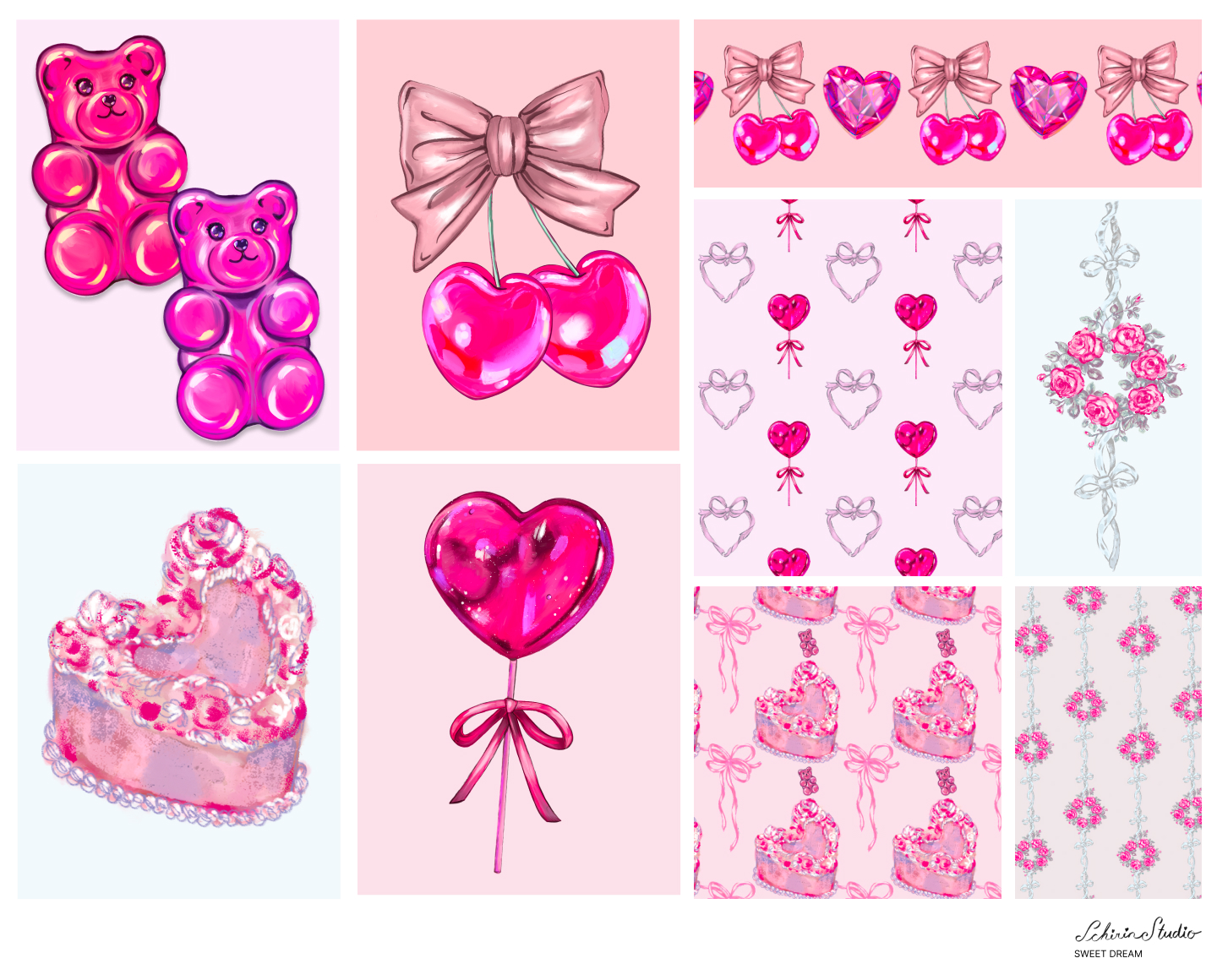
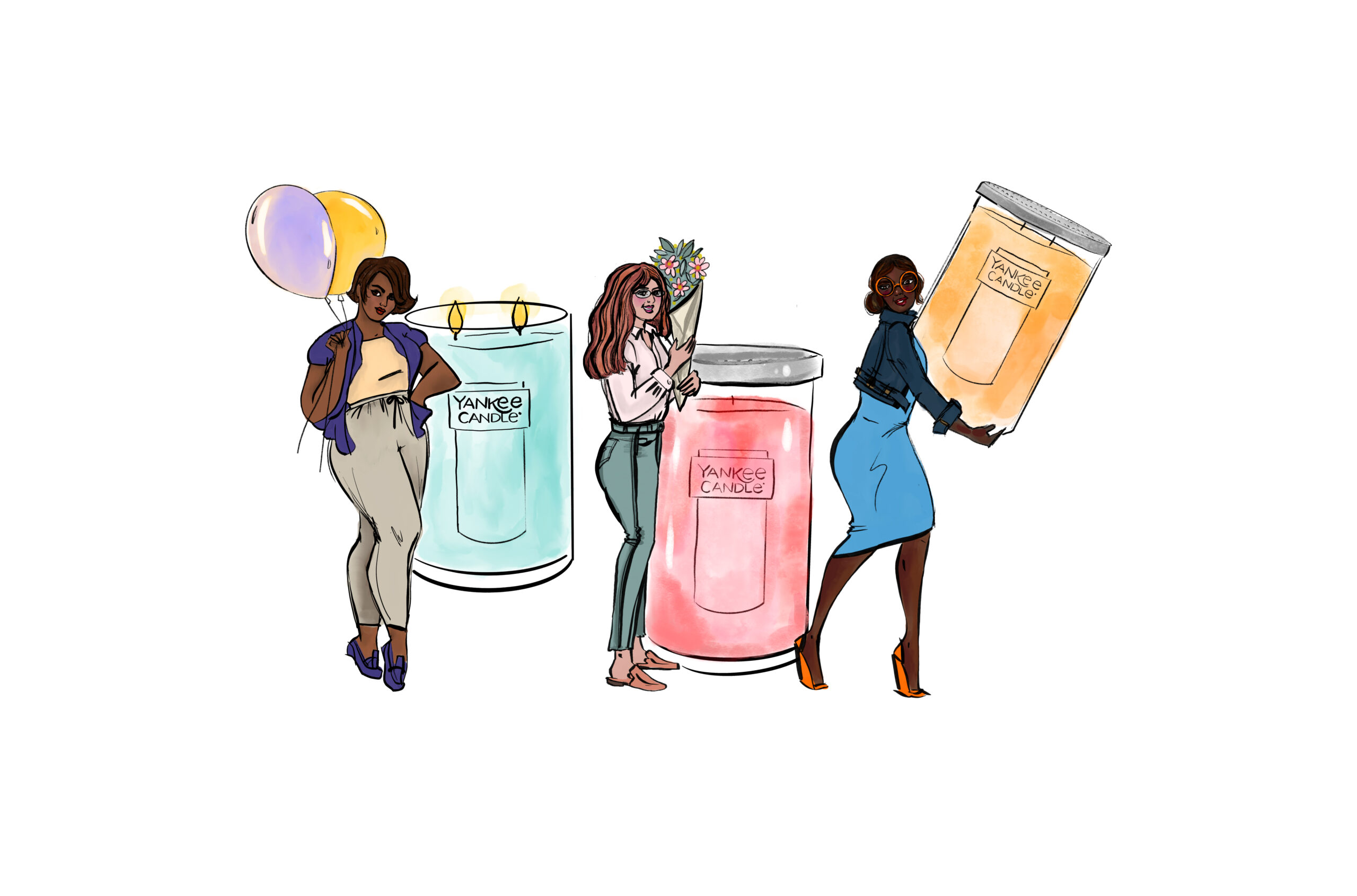
In my own work, this shows up in building collections of illustrated products and surface designs that are intentionally human-made.
Not as a rejection of technology, but as a decision about what the final experience should feel like.
- The future is not either/or
The most interesting work right now is not choosing between extremes.
It exists in the tension between:
• Systems and soul
• Speed and intention
• Technology and touch
Designers who can navigate both will define what comes next.
Closing thought
We are entering a period where tools are abundant, but meaning is not.
The opportunity is not just to create more.
It is to create with clarity, intention, and perspective.
That is what I am building toward.









https://shorturl.fm/OdOSr